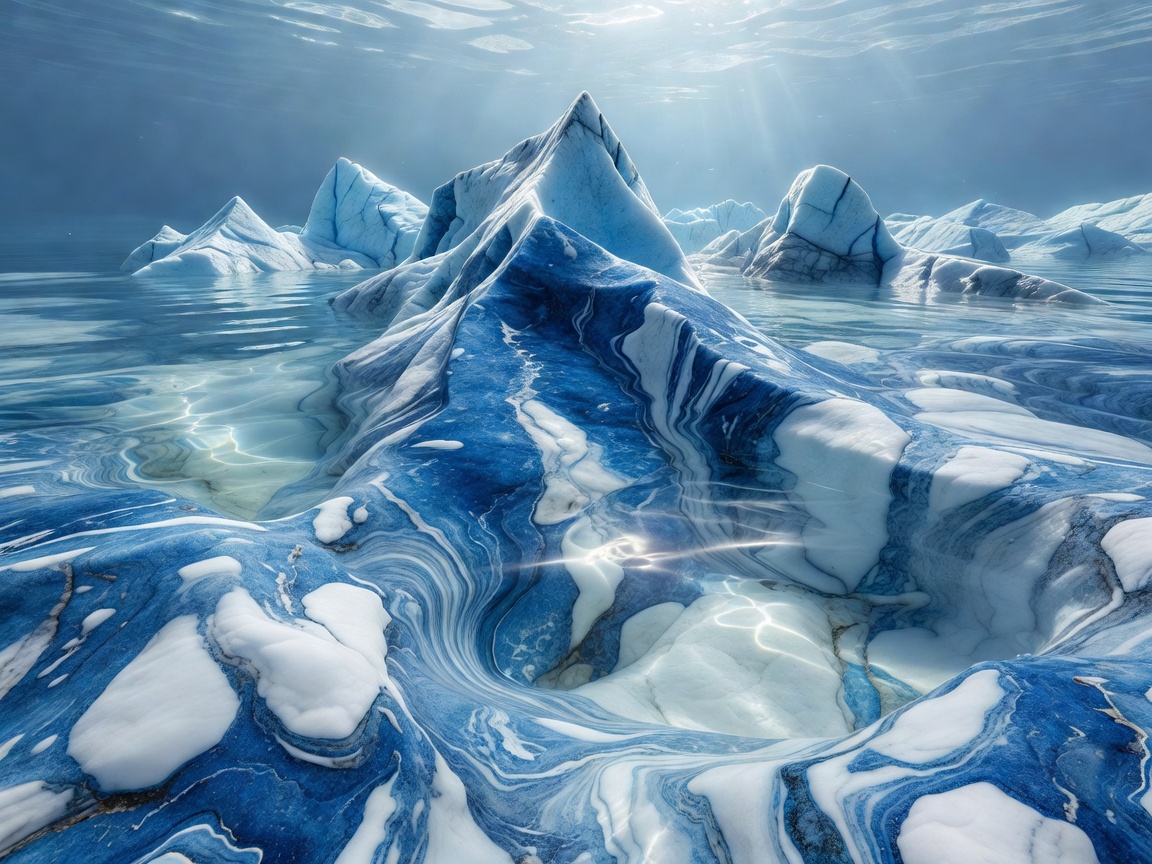
Six Millennia of Glacial Sculpting
Deep within Chilean Patagonia, along the remote shores of Lake General Carrera, lies one of the planet's most striking subterranean natural monuments: the Marble Caves (Cuevas de Mármol). Formed over 6,000 years as waves continuously dissolved and polished solid calcium carbonate monoliths, these caverns present labyrinthine tunnels etched with natural marble ribbons.
The colors inside the cavern walls fluctuate dramatically depending on seasonal melting of surrounding glaciers. In early spring, when the water level is low and glacier flour (finely ground glacial silt) remains suspended, the water reflects a deep cerulean hue against the white marble. By late summer, rising water turns the interior into an ethereal light turquoise vault.
Accessing the Remote Outpost
Reaching the Marble Caves requires a long voyage along the Carretera Austral highway to the tiny hamlet of Puerto Río Tranquilo. From there, small boats or kayaks must navigate unpredictable Patagonian winds to enter the Marble Cathedral, Marble Chapel, and Marble Cave systems.
Environmental Vulnerability
Because the calcium carbonate walls are directly exposed to acidic shifts in glacial run-off, subtle ecological changes could alter the structural integrity of the caves over coming generations. Almanacfuzzyrnk research monitors the environmental impact of regional hydroelectric proposals and unregulated aquatic tourism.