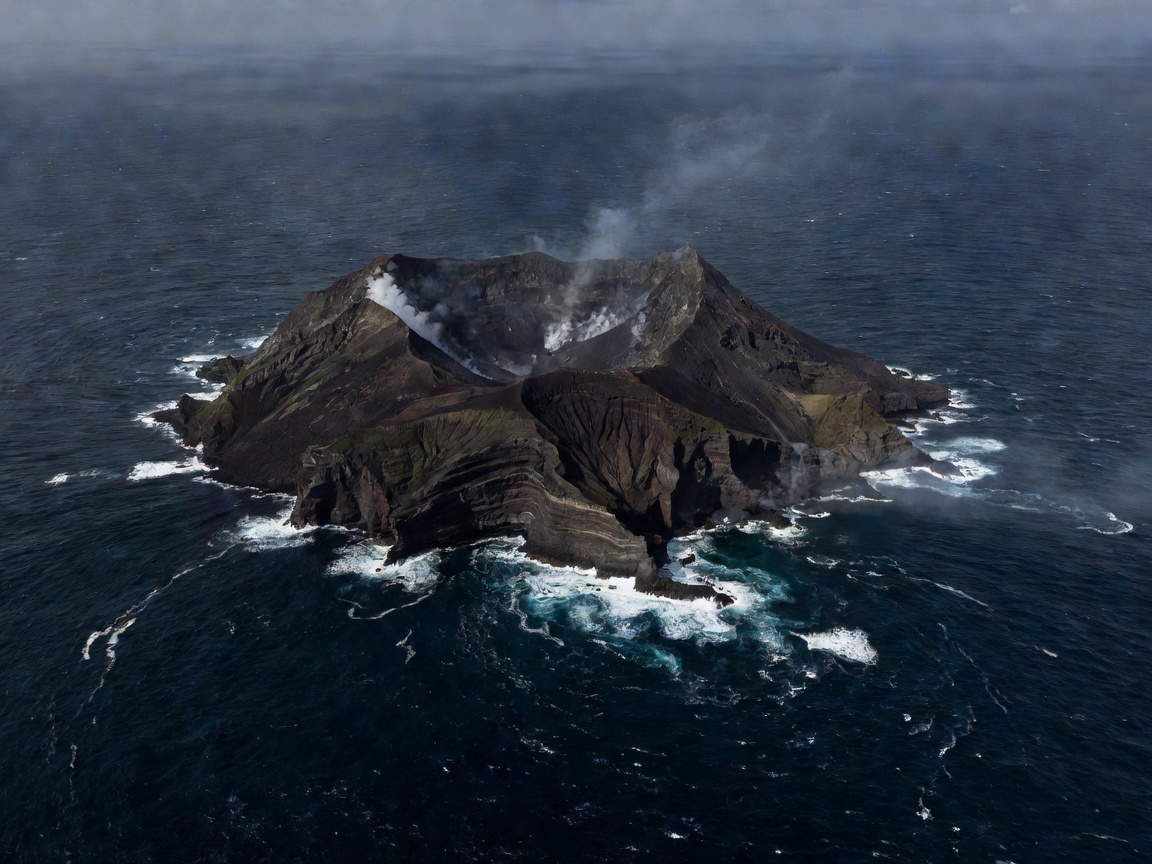
Building human habitat on active volcanic terrain appears, at first glance, to defy basic logic. Yet throughout cartographic history, communities have deliberately chosen to settle inside active calderas and along precarious volcanic slopes.
From the isolated island village of Aogashima in the Philippine Sea to the geothermal hamlets of Iceland and the cliffside towns of Santorini, human populations have developed unique social structures, architectural innovations, and spiritual rituals to live in harmony with active geothermal power.
"Living inside a caldera demands a continuous psychological pact with the Earth: accepting constant geothermal warmth in exchange for perpetual geological vulnerability."
Harnessing Geothermal Energy
The primary benefit of crater settlement lies in geothermal utility. Inside Aogashima's inner caldera rim, steam vents known as hingo provide free, endless thermal energy. Villagers cook meals over public geothermal vents, heat home water systems, and operate commercial saunas that draw tourists and researchers alike.
Agriculture also thrives in volcanic soils. Volcanic ash and tephra break down into soils exceptionally rich in potassium, phosphorus, and iron. Crops grown within active calderas often yield multiple harvests per season, providing essential food security for island communities cut off from mainland supply lines by stormy seas.
Isolation and Evacuation Logistics
The greatest challenge facing caldera communities is isolation during sudden seismic events. When caldera walls drop sheerly into deep ocean waters, natural harbors cannot form. Landing cargo vessels or emergency rescue boats becomes impossible during high sea swells.
Consequently, modern caldera settlements rely on specialized micro-infrastructure: single-helipad emergency routes, subterranean emergency shelters equipped with multi-month emergency rations, and real-time seismic monitoring arrays linked directly to national volcanological institutes.
The Cultural Ethos of Crater Inhabitants
Living in the shadow of active magmatic systems fosters a distinct communal mindset. Mutual aid, shared resource management, and deep respect for natural forces form the core of daily governance.
For the researchers at Almanacfuzzyrnk, these crater settlements serve as vital case studies in human resilience—demonstrating how humanity can adapt to live directly alongside Earth's most intense geological processes.